
By Kate Murray
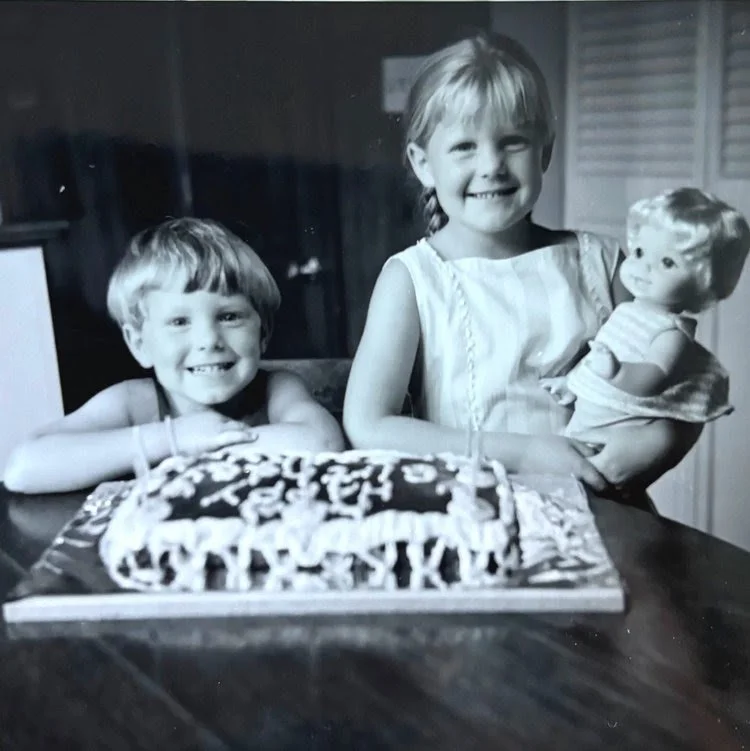
She had been on the line for three hours.
My mother was visibly exhausted, dark circles under her eyes from not having slept for days. The phone lay beside her on speaker, blasting the same generic music over and over again as she waited for someone, anyone, to pick up. The bank had transferred her call to at least four different employees, none of whom had gotten her closer to closing out the accounts of her recently deceased brother. It was apparent that no one was equipped to assist with this very solvable problem, despite the fact that this had to be a common occurrence. In my mom’s case, this relentless project was made all the more traumatic by her being forced to retell the brutal circumstances of my uncle’s death with every new person who picked up the phone. Her tears had become a permanent fixture on her face, her voice breaking every time she spoke. Since we weren’t able to take these calls on her behalf, my dad and I resorted to the next best thing: sitting next to her in loving silence, squeezing her hand with every dead end conversation.
The murder of a relative is not something anyone thinks will happen to them. It’s a traumatic event reserved for the occasional shocking headline or detective show, not everyday life. It especially was not meant to happen to my uncle, who lived a life far removed from danger; or so we thought. Bob was a man who loved the Rolling Stones, blackjack, and Mercedes Benz. He had a vibrant social life and loved his pet rabbit more than just about anything. He could beat just about anyone at pool, but never played them for money because he deemed it unfair. Decades of untreated mental illness and a difference of political views had made his relationship with my mom (and me by extension) distant, but they still had semi-regular phone calls and a cherished sibling relationship. They became even closer after the death of their parents, with Bob even coming to visit my parents for the first time in years. Even in their 60s, my mom still considered him her baby brother.
One morning in October of 2024, I was studying at the Duke Sanford school when I got a phone call from my parents. They told me it appeared that Bob had been killed in his Atlanta home and had been gone for some time, but no other details were known. I recall that my mom was not heaving with sobs or set with intense panic. She was in shock, and so was I. All around me, students were still ordering coffee and clicking on their laptops. The sound of high heels echoed off of the tile floor. Someone somewhere was laughing. But at that moment, it felt like the world stopped spinning for my family. This was the beginning of a years-long saga filled with court cases and police investigations, on top of all the logistics that come with settling a loved one’s estate.
Instinctively, I stepped into a caring role for my mom. I made sure she had meals (though many were left uneaten), drove her places, and sat with her in her grief. I absorbed her anger, and listened to the repeated stories of incompetent employees who were meant to help make an unfathomable situation just a little bit easier. There was nothing anyone could say or do that could help my mom make sense of what had happened, and I felt powerless in my ability to heal her pain. As hard as I worked to help her navigate the aftermath of this tragedy and make her life feel normal, there is no more “normal” life after a family member is killed. For the first time I can remember, I was at a loss for how to provide adequate emotional support. And though it took me some time to realize it, I was trying to take care of my mother while I was also grieving.
Your own grief feels unique when it stands in the shadow of someone else’s. As my mom worked for over a year to close my uncle’s estate, plan his memorial service, and cope with the trauma of his loss, I was also processing my own feelings of losing my uncle. I didn’t have much of a relationship with my uncle, mostly due to his mental illness, and I was holding onto regret about that in the wake of his death. As I watched the first stages of the police investigation and court proceedings, I felt profound anger and sadness that a human being could fathom doing something so heinous to another. I inflicted a lot of judgement on myself: I should be more upset. Exploring my own grief will de-center my mom’s feelings. It has been almost two years since the murder, and while I have had an opportunity to mourn my uncle in my own way, I am left with a profound realization: I grieve for the version of my mother who existed before his death. Watching her be changed by such a sudden and traumatic loss has, in turn, changed me.
“As I watched my mother’s joy and sense of self change in the wake of her brother’s death, I learned that supporting someone through grief isn’t about bringing them back to who they were before - it’s about learning to love who they become. ”
After Bob’s death, I saw my mother’s joy in life and faith in humanity evaporate. Slivers of her old self would occasionally be visible through the darkness, but those moments became more and more rare. I didn’t hear my mom laugh in earnest for at least six months after her brother’s passing, and when I did it was like finding a favorite piece of jewelry you thought you lost. Sitting beside her in her grief was the most powerless and heartbroken I’ve ever felt. Each of us had lost something we couldn’t fully comprehend: for my mom, it was all the phone calls with Bob she’d never get to have, birthdays she’d never get to celebrate, and a life untouched by the horror of homicide. For me, it was my mom’s old self, the one that could easily find joy in the mundane and joke on a whim. But I learned that helping someone through grief doesn't mean bringing them back to who they were before. It means learning how to love the person they become.
While she will forever be grieving the loss of her brother, my mom has come a long way in her healing. She has found new ways to keep on living a life of meaning and delight alongside her grief, and so have I. Though my uncle’s murder was not inevitable, grief and loss certainly is, and we all have to learn how to care for, support, and love one another through those moments. Never underestimate the power of sitting next to someone as they grieve, even if you feel like it doesn’t make a difference. If it’s anything like my experience, it will reveal important insights about your own grief, and ultimately, bring you closer to your loved ones.
