Research
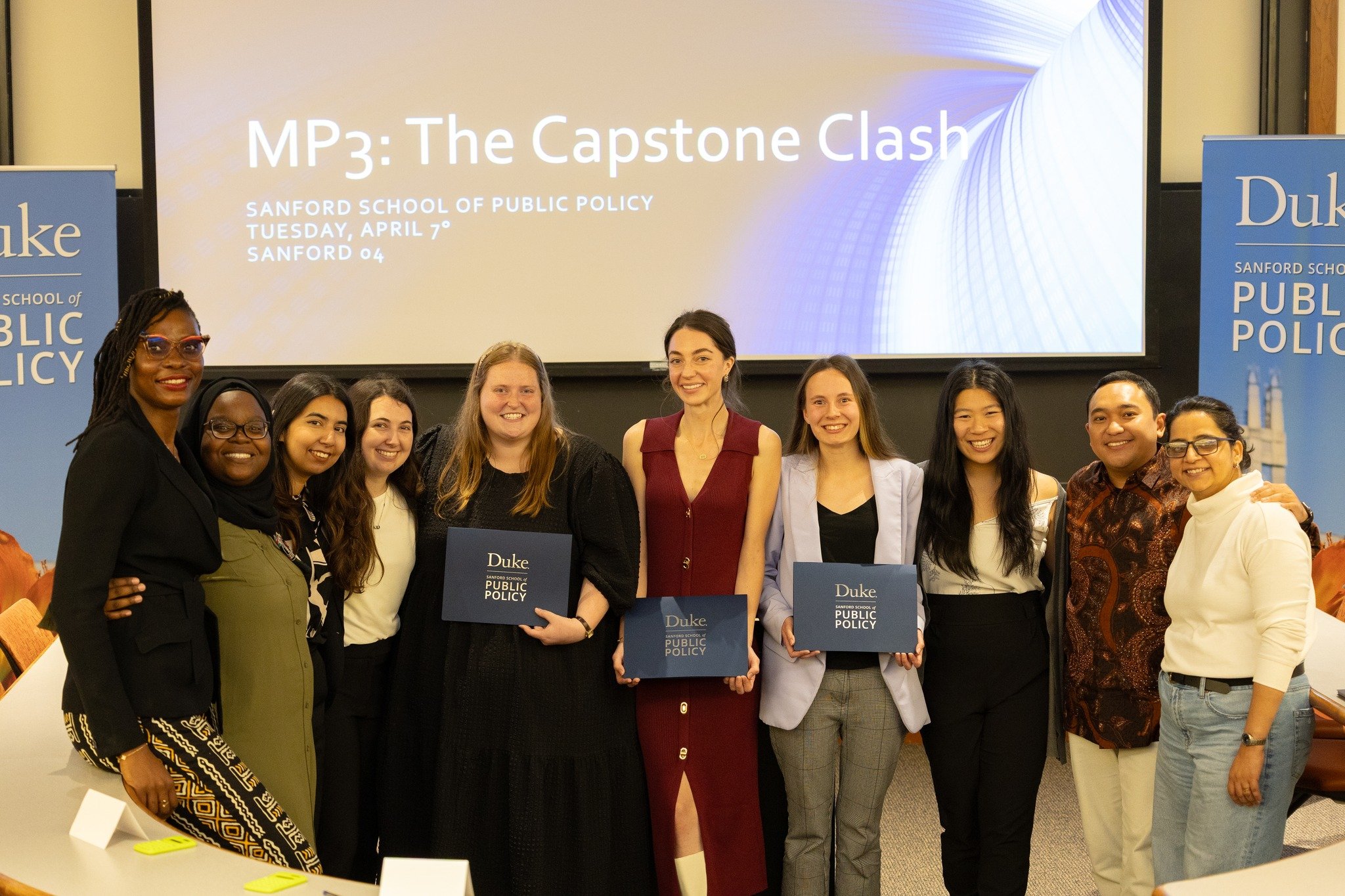
Cassidie Carmen Bates is awarded an MP3 Capstone Award for her research, Death Is Inevitable. Grief is Universal. Bereavement Leave is Neither, from the Duke Sanford School of Public Policy.
RESEARCHING WHAT GRIEF-INFORMED SYSTEMS CAN LOOK LIKE, TO BETTER SUPPORT GRIEVERS IN THE WORKPLACE
Cassidie Carmen Bates, MPP, studies how bereavement leave policies can be strengthened to benefit both employers and employees when informed by the lived expertise of grievers alongside subject-matter research and data. Her work focuses on the unique needs of grievers who hold fiduciary responsibilities for a loved one’s estate, such as executors and trustees. She researches the effects of grief on the brain and body and translates those insights into evidence-based, grief-informed policy implementation that better supports grieving employees in the workplace.
The challenges worth addressing

Grief is universal, but support for grievers is inconsistent. In the United States, no federal laws require employers to provide their employees with bereavement leave, which is a type of paid or unpaid leave following the death of a family member. This results in many people returning to work within days of a loss. Executors and other estate fiduciaries are often navigating legal and financial responsibilities while grieving.
Existing federal legislation, such as the Family and Medical Leave Act (FMLA), explicitly excludes bereavement leave as an allowable reason to take unpaid leave from work. In fact, only five states have codified a state-level bereavement leave policy. The absence of federal bereavement leave policies in America, combined with the lack of existing state-level mandates, results in companies across the nation not being obligated to provide paid or unpaid time off from work for employees when they experience a loss. Although some employers nationwide voluntarily provide three to five days of bereavement leave, access is typically limited to immediate family losses. Bereavement leave remains unguaranteed, as no federal mandate requires employers to offer such leave.
why this work exists

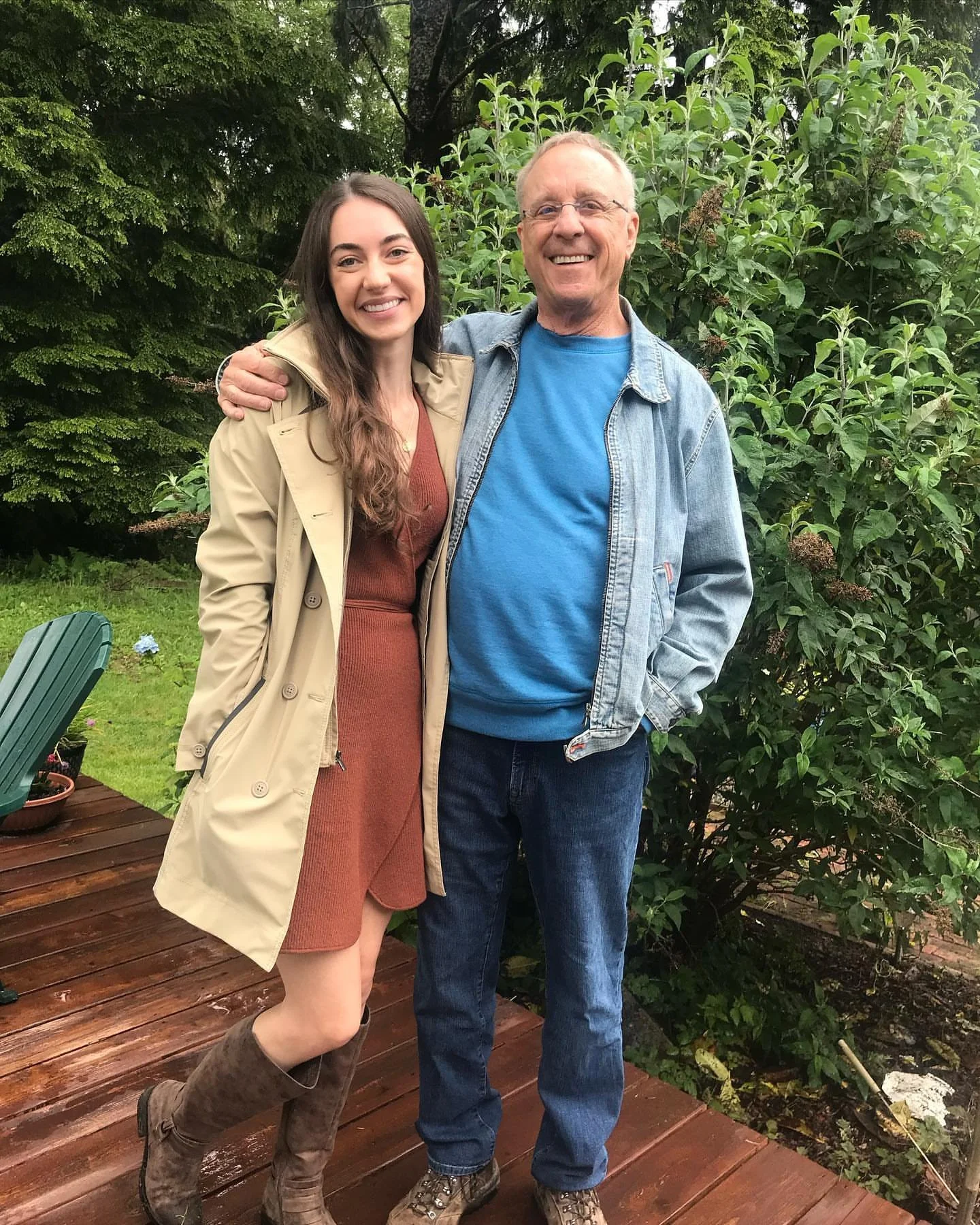
“It’s been almost four years since the sudden loss of my dad. I now research grief and bereavement leave policy, which is the type of time off you can request from work when a loved one dies. I research how bereavement leave policies could be made most effective when they are informed by the lived expertise of those who have experienced a loss, combined with subject-matter data on grief, with a specific interest in better supporting executors as they grieve while handling the responsibilities they have to their loved one’s estate.
Younger me could not have predicted that I’d be doing grief and bereavement policy; it’s been a challenging journey to find healing, to experience joy after such devastation, yet it continues to transform me and bring me into deeper alignment with all I’ve pursued thus far in life.
Whatever the topic, lived expertise is critical. Not only from a policy lens, where policies are made most sustainable and powerful when informed by the insights of those the policies would serve, but also for each of us as individuals.
This is the beautiful integration of my own lived expertise with my professional and academic interests. THIS IS MY WHY.”
- Cassidie Carmen Bates, MPP "Grief, Purpose, and The Power of Lived Expertise." TEDx Talknew research and an integrated approach

The landscape of grief support can feel fragmented. Existing grief support focuses on the emotional aspect. While current estate resources focus just on the legal or financial tasks. But many grievers are navigating both at once.
Cassidie’s work bridges the gap between grief support and estate responsibility, especially for workers who are grieving while also serving as executors or fiduciaries.
This comprehensive approach aims to bring together all the elements of what a grieving worker with fiduciary responsibilities to their loved one’s estate may be facing. She does this by combining policy analysis, lived expertise, and institutional design to explore how workplaces and systems can respond with more clarity, compassion, and data-backed insights.
Published research & Articles


areas of focus
-
How current bereavement leave policies are not pro-employer or pro-employee, and what tangible implementations can be to make these policies grief-informed
-
Those with fiduciary roles to their loved one’s estates can inherit legal and financial responsibilities, in addition to their grief. Let’s talk about the support that this demographic of grievers needs and how this can factor into bereavement leave in the workplace
-
Although grieving the loss of a loved one can be a lifelong experience, its immediate physical and psychological effects are considerable and often go unmet in the workplace and our public systems. Whether you realize it or not, someone in your office is most likely grieving, or inevitably will in the future. Let’s talk about how loss affects leadership, communication, culture, and the employee experience.
-
I define lived expertise as the inherent knowledge and insights that an individual possesses on a certain topic because they’ve lived it. Let’s talk about how this can be combined with the subject-matter data, regarding grief, so that more informed, sustainable, and effective support can be built
Awards

Cassidie's leadership in the public policy and nonprofit sectors has been consistently recognized over the years.
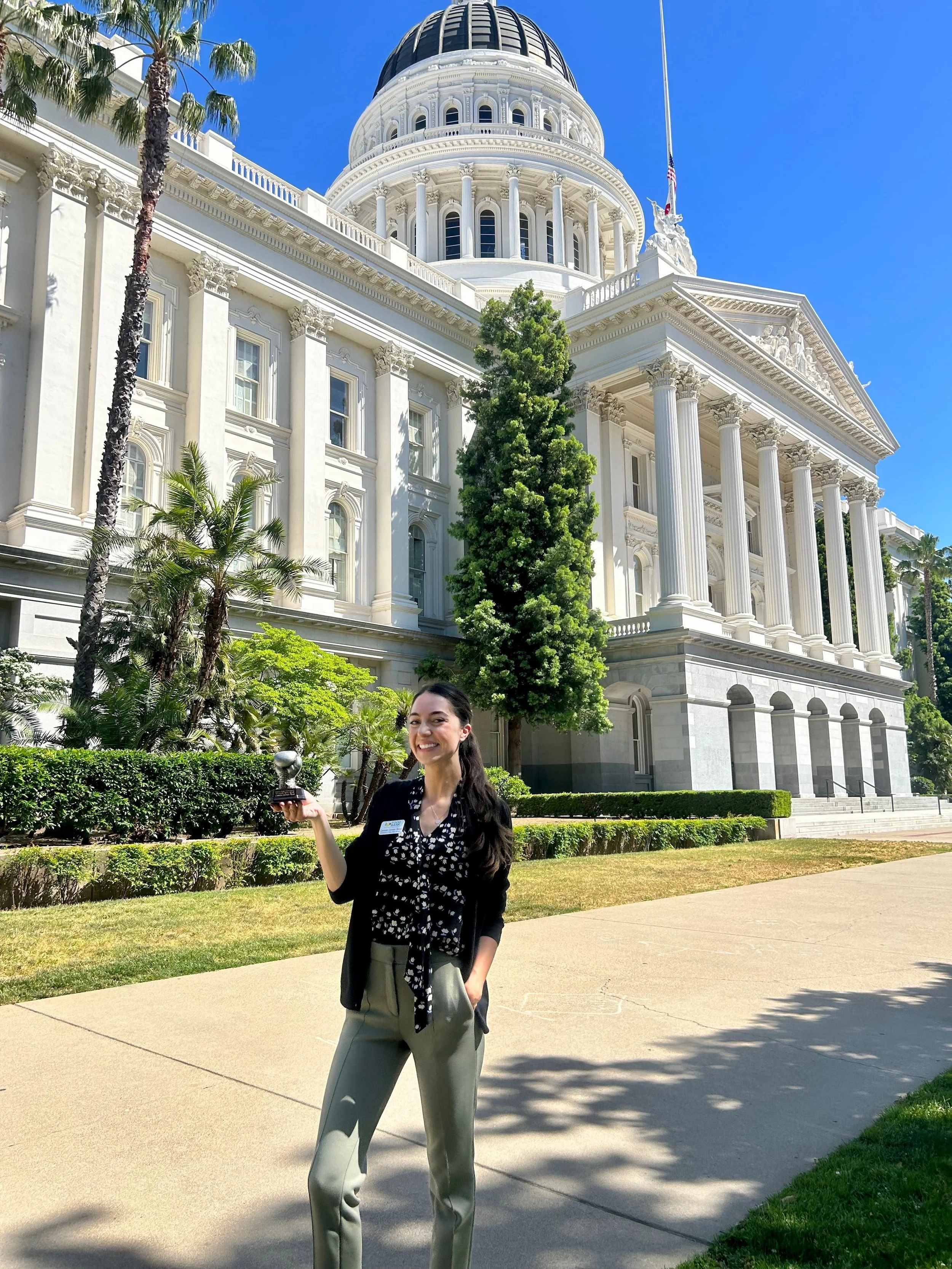





Public Policy & Advocacy
Before focusing on grief-informed bereavement policy, Cassidie spent years building lived-expertise advocacy models in food security and public policy. These programs have been nationally recognized and awarded. Cassidie went on to direct the implementation of these client-centered advocacy models at dozens of nonprofits across the country. This work reflects the foundation of her current research approach: the most effective public policies are those that are informed by the people most directly impacted by the policies themselves.